
A Step by Step Launch Plan That Actually Feels Doable
Can we talk about launch nerves for a second? ☕
You've built the offer. Maybe you've even told a few people. And now there's this knot in your stomach that says, What if I launch and nobody buys? What if I've told everyone and it doesn't work?
You're not alone. I'm going to be honest with you: my first launches were messy. I had absolutely no clue what I was doing, I changed my mind about the price six times, and I definitely freaked out. Freaking out can be fun and necessary sometimes. Then it's time to get back to work.
Here's a little secret. Launching with confidence doesn't mean you feel fearless. It means you have a plan. When you know exactly what you're doing each week, the fear gets a lot quieter.
So grab a cappuccino (before 11am, please) and let's make your launch feel doable. 🌿
A Step by Step Launch Plan That Actually Feels Doable
1. Pick One Offer and One Clear Goal
2. Set a Date and Work Backwards
3. Warm Up Your Audience Before You Sell
5. Open the Doors and Show Up Every Day
6. Follow Up, Then Look at What Happened

1. Pick One Offer and One Clear Goal
Before anything else, decide what you're launching and what "success" looks like.
One offer. One goal. Not three.
Maybe it's a coaching package, a small course or a workshop. And maybe your goal is "three paying clients," not "go viral." A small, clear goal is so much easier to aim at.
Ask yourself:
Who is this for?
What problem does it solve?
How many people do I need to say yes for this to feel like a win?
If you're still shaping the offer, that's okay. Clarity comes from taking action, so start with your best guess and adjust as you go.

2. Set a Date and Work Backwards
A launch with no date is just a someday.
Pick a date, then count back about four weeks. Put it in your calendar and tell someone. Accountability makes it real. 💛
Here's a simple rhythm you can use:
Week 1: Get clear on your offer and your message
Week 2: Warm up your audience
Week 3: Build your sales page and booking or checkout
Week 4: Open the doors and invite people in
Four weeks is plenty, even if you're working around a job. Tiny steps really do add up.

3. Warm Up Your Audience Before You Sell
Nobody wants a surprise sales pitch from a stranger.
In the weeks before you launch, start talking about the problem your offer solves. Share a story. Answer a question. Give a little free value so people feel they know you.
You could:
Share a behind the scenes post about what you're building
Send a few helpful emails to your list
Ask your audience what they're struggling with, then listen carefully
Tell people a date is coming, so they're ready
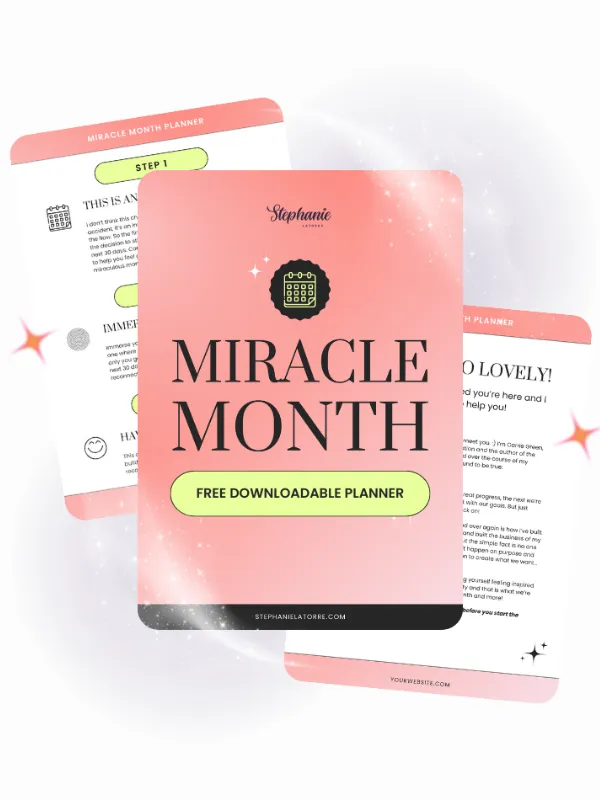
My free Miracle Month Planner is a great way to warm people up with a small win before you invite them into something bigger.

4. Build a Simple Path to Yes
This is the tech part, and I promise it doesn't have to be scary.
You only need a few things:
A simple sales page that says who it's for, what they get and what it costs
A way to book a call or buy (a booking calendar or a checkout link)
A welcome email that tells her what happens next
I build all of this in FEA Create because your page, calendar, emails and follow ups live in one place. After 15 years of building websites and funnels, I can tell you the simpler it is, the better it converts.
If you want a clear plan for the whole path, my Sales Funnel Planner walks you through it, step by step.

5. Open the Doors and Show Up Every Day
Launch week is not the time to hide.
Say it out loud: "My offer is open, and here's how to join." Then say it again tomorrow. And the day after. Most people need to hear it more than once, and that's not being pushy, it's being clear.
Each day, try one of these:
Share a client story or a result (with permission)
Answer a common question or objection
Tell your own story about why you made this
Send an email with a warm, clear invitation
Reply to every comment and message personally
No fake urgency. No bro marketing. Just a friend saying, "I made something that might help. Here's how to join."

6. Follow Up, Then Look at What Happened
Here's where a lot of us stop too early.
When someone says "I'll think about it," follow up kindly. Often she just needs a nudge, or an answer to one tiny worry. And when the launch is over, sit down and look at what happened.
Ask yourself:
What worked?
What would I change?
What did people ask me again and again?
Whether you got three yeses or none, you learned something real. Every launch is practice, and the next one is always easier.
Common Mistakes to Avoid
Launching without a date. A vague plan gives you a vague result. Pick a day and commit.
Skipping the warm up. Selling to a cold audience feels hard because it is. Give people time to get to know you.
Overcomplicating the tech. You don't need a fancy funnel. You need a clear page and an easy way to say yes.
Disappearing after one post. One announcement isn't a launch. Show up for the whole week.
Waiting until you feel ready. Here's a little secret: no one ever feels 100 percent ready. Launch anyway.
Taking silence personally. Quiet doesn't mean no. Follow up and keep going.
Tools and Resources
Sales Funnel Planner ($47): my planner for mapping your launch path from first hello to paying client.
Miracle Month Planner (free): a gentle 30 day plan to build momentum with tiny steps.
FEA Create: my favourite all in one platform for your sales page, calendar, emails and automations.
Canva: simple, beautiful graphics for your launch posts and sales page.
Google Forms: a quick way to ask your audience what they're struggling with before you launch.
Featured From the Shop: Sales Funnel Planner
If the word "funnel" makes you want to hide under a blanket, I get it.
The Sales Funnel Planner breaks it into simple, beautiful steps so you know exactly what to build and in what order. No more guessing, no more tinkering for hours. Just a clear plan you can follow in the evenings and on weekends.
Frequently Asked Questions
How long should a launch take?
For a first launch, about four weeks from planning to open doors works really well. Keep it simple and you can absolutely fit it around a job.
What if nobody buys?
It happens to almost everyone at first. Look at what you learned, adjust your message or your offer, and try again. Every launch builds confidence.
Do I need a big email list?
Absolutely not. A small group of warm, interested people is more powerful than a huge list that doesn't know you.
Should I discount my offer to get sales?
I'd rather you be clear about the value than slash your price out of fear. Confidence sells better than a discount.
What if I'm scared to talk about my offer?
That's so normal. Start small, talk to one person at a time, and let the fear be there. Then move forward anyway.
Your Launch Checklist
Choose one offer and one clear goal
Set your launch date and count back four weeks
Warm up your audience with helpful content
Build a simple sales page and an easy way to say yes
Write your welcome email
Plan one post or email for each day of launch week
Follow up with everyone who showed interest
Review what worked and what to change
Remember
You don't need to be fearless to launch. You just need to be willing to show up, even if your voice shakes a little.
Take a step back, look at where you're going, and take one tiny step today. Maybe it's picking your launch date.
You've got this.
Stephanie x
P.S. Want a gentle 30 day plan to get started? Grab my free Miracle Month Planner. 🤍
Here are some more articles you might like: